
713-229-8333

-

- Home
- Our Firm
- DWI
- First DWI
- Second DWI
- Third DWI
- Fourth DWI or More
- Felony DWI
- Commercial Vehicle DWI
- Motorcycle DWI
- Controlled Substance or Drug DWI
- Out of State Resident DWI
- College Student DWI
- Underage DUI
- DWI Defense for Licensed Professionals
- CPA Licenses
- Dental Licenses
- EMT Licenses
- Law Licenses
- Medical Licenses
- Mental Health Counselor Licenses
- Small Business
- Nursing Licenses
- Pharmacist Licenses
- Pilot Licenses
- Podiatrist Licenses
- Psychologist Licenses
- Real Estate Licenses
- SEC Securities Licenses
- Security Clearances
- Teaching Licenses
- Veterinarian Licenses
- Optometrist Licenses
- Collateral Consequences of DWI
- DWI Criminal Procedure
- ALR Hearing
- Open Container
- DWI Tests
- Boating While Intoxicated
- Criminal Defense
- Drug Crimes
- Drug Possession
- Drug Distribution
- Drug Conspiracy
- Drug Diversion
- Juvenile Drug Crimes
- Internet Drug Crimes
- Drug Crime Enhancements
- Drug Penalty Groups
- Drug Information
- Drug Crimes FAQ
- What Is Considered a Dangerous Drug in Texas?
- What Evidence Is Needed to Convict a Person of a Drug Crime in Texas?
- Is Possession of Marijuana a Crime in Texas?
- What Are the Consequences for Repeat Drug Offenders in Houston?
- Should I Plead Guilty to a Drug Crime Charge in Texas?
- What Is the Difference Between Federal and State Drug Crime Charges?
- Opioid Crimes FAQ
- Traffic Violations
- Assault Crimes
- Homicide Crimes
- Prostitution and Solicitation
- White Collar Crimes
- Theft
- Federal Crimes
- Federal Drug Charges
- Federal White Collar Crimes
- Immigration Crimes
- Federal Weapons Charges
- Obstruction of Justice
- Federal Crimes FAQ
- How Can an Attorney Help When Im Under Federal Investigation?
- What Happens if I Plead the Fifth in a Federal Crimes Case?
- Why Have I Been Accused of Obstruction of Justice?
- What Happens to Property That Has Been Forfeited and Seized by the Federal Government?
- What Should I Know About Federal Courts and the Federal Prison System in Texas?
- What Is a Currency Transaction Report?
- What Are Pre-Arrest and Arrest Warrants in Federal Crimes Cases?
- Other Crimes
- 3G Offenses
- Probation Violations
- Deferred Adjudication
- Expunctions
- Nondisclosures
- Defense Strategies
- Criminal Defense FAQ
- Drug Crimes
- Areas Served
- Houston Courts for DWI
- Harris County
- Baytown
- Bellaire
- Braeswood Place
- Cypress
- Deer Park
- East Downtown
- Friendswood
- Galleria
- Houston Heights
- Humble
- Jersey Village
- Katy
- Kingwood
- La Porte
- Memorial Villages
- Midtown
- Missouri City
- Montrose
- Pasadena
- Precinct 1
- Precinct 4
- Precinct 5
- Rice Military
- River Oaks
- Southside Place
- Spring
- Spring Valley
- Tanglewood
- Timbergrove/Lazybrook
- Tomball
- West University Place
- Westchase
- Austin County
- Bastrop County
- Brazoria County
- Colorado County
- Fayette County
- Fort Bend County
- Galveston County
- Grimes County
- Guadalupe County
- Lavaca County
- Leon County
- Liberty County
- Madison County
- Matagorda County
- Montgomery County
- Walker County
- Waller County
- Washington County
- Wharton County
- Media
- Blog
- Contact
“Excellent job. My case was dismissed, due to very professional services of Doug Murphy Law Firm.”-A.B.
How Texas Prosecutors Use Residue to File Drug Charges
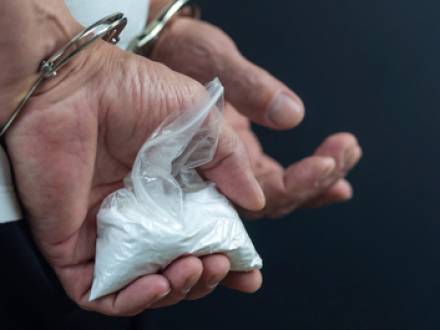 It can be shocking to be arrested and charged with a drug offense even when no usable drugs are recovered. These cases often rely more on lab reports and assumptions than on real evidence of possession or intent. Texas prosecutors often file charges when residue is detected on packaging, pipes, or personal items, even without a measurable amount of drug presence.
Under Texas law (Texas Health and Safety Code Section 481.115), trace or residue amounts (that may even be invisible to the naked eye) can still lead to criminal charges, felony enhancements, and life-altering consequences. Cases where drug charges are based on trace amounts are highly defensible when the correct legal issues are identified early on in the process. An experienced Houston, TX drug crimes attorney from Murphy & McKinney Law Firm, P.C. can help you do just that, building a strong case on your behalf and fighting for your rights.
What Does "Trace Amount" Mean in a Criminal Drug Trial in Texas?
Texas is one of the most aggressive states when it comes to low-quantity drug prosecutions. Texas law only requires laboratory confirmation that a controlled substance was present, regardless of how small the amount. "Trace amount" generally refers to residue on drug paraphernalia, microscopic amounts on baggies or containers, or substance particles detectable only through lab testing. Courts have upheld convictions based on:
- Chemical testing confirms a controlled substance
- Circumstantial evidence of possession
- Statements made during arrest
- Proximity to drug paraphernalia
Precedent for Dismissal of Charges Based on Minute Amounts of an Illegal Drug
While many cases of drug residue have been upheld, one notable case was not. In the 2015 case of George Neal Williams vs. the State of Texas, the police found Mr. Williams sitting behind an air conditioner unit of a business building; he had his shirt off and was "sweating profusely." The police found a crack pipe in his pocket that was later determined to have cocaine residue in it.
The trial court convicted Williams of knowingly possessing a controlled substance, but the appeals court reversed this decision, finding that the only "evidence" was that he had his shirt off and was sweating, and that information was not sufficient to support a conviction for drug possession.
Controlled Substance vs. Paraphernalia Charges in Texas
Not all drug residue cases are equal. Drug possession charges require that the suspect knew or should reasonably have known of the presence of a controlled substance. Paraphernalia charges are more likely when residue alone cannot support drug possession charges. Penalties for possession of a controlled substance can range from a misdemeanor carrying up to 180 days in jail to a first-degree felony with life in prison. Possession of drug paraphernalia is typically a Class C misdemeanor, punishable by a fine of up to $500, but no jail time.
Potential Defenses to "Trace Amount" Drug Charges in Texas
While each situation is unique and will require a specific defense based on the circumstances, some of the more common defenses to trace amount drug charges include:
- Challenges based on illegal search and seizure
- The defendant did not knowingly possess a controlled substance
- There was an insufficient quantity for possession
- Misidentification of substances
- Chain-of-custody issues
- Laboratory reliability challenges, including contamination
- Suppression of statements
Because trace-amount cases may appear minor, defendants sometimes plead guilty quickly, only to face long-term consequences. A criminal defense lawyer can often negotiate dismissal of the charges, reduction to paraphernalia charges, pretrial diversion, or deferred adjudication.
Contact a Houston, TX Drug Crimes Lawyer
If you have been charged with drug possession in Texas based on residue or trace amounts, you should never assume that the charges are minor or that the case is unwinnable. These prosecutions often rely on shaky evidence and aggressive charging decisions. A knowledgeable Houston criminal defense attorney from Murphy & McKinney Law Firm, P.C. can evaluate your options and fight to protect your record, your freedom, and your future.
Attorney Murphy serves on the Board of Regents for the National College for DUI Defense and as President of the Harris County Criminal Lawyers Association. Call 713-229-8333 to schedule your initial attorney meeting.


 Office Location
Murphy & McKinney Law Firm, P.C.
902 Heights Blvd., Houston, TX 77008
P 713-229-8333
F 713-583-0205
Our firm is located in Houston, and we provide representation for people in the surrounding cities and counties, including Cypress, Katy, Spring, Pasadena, La Porte, Deer Park, Friendswood, Baytown, Harris County, Bastrop County, Brazoria County, Fort Bend County, Galveston County, Guadalupe County, Liberty County, Montgomery County, Walker County, Waller County, and Wharton County. We also serve clients throughout the state of Texas.
Results listed are not a guarantee or indication of future case results.