
713-229-8333

-

- Home
- Our Firm
- DWI
- First DWI
- Second DWI
- Third DWI
- Fourth DWI or More
- Felony DWI
- Commercial Vehicle DWI
- Motorcycle DWI
- Controlled Substance or Drug DWI
- Out of State Resident DWI
- College Student DWI
- Underage DUI
- DWI Defense for Licensed Professionals
- CPA Licenses
- Dental Licenses
- EMT Licenses
- Law Licenses
- Medical Licenses
- Mental Health Counselor Licenses
- Small Business
- Nursing Licenses
- Pharmacist Licenses
- Pilot Licenses
- Podiatrist Licenses
- Psychologist Licenses
- Real Estate Licenses
- SEC Securities Licenses
- Security Clearances
- Teaching Licenses
- Veterinarian Licenses
- Optometrist Licenses
- Collateral Consequences of DWI
- DWI Criminal Procedure
- ALR Hearing
- Open Container
- DWI Tests
- Boating While Intoxicated
- Criminal Defense
- Drug Crimes
- Drug Possession
- Drug Distribution
- Drug Conspiracy
- Drug Diversion
- Juvenile Drug Crimes
- Internet Drug Crimes
- Drug Crime Enhancements
- Drug Penalty Groups
- Drug Information
- Drug Crimes FAQ
- What Is Considered a Dangerous Drug in Texas?
- What Evidence Is Needed to Convict a Person of a Drug Crime in Texas?
- Is Possession of Marijuana a Crime in Texas?
- What Are the Consequences for Repeat Drug Offenders in Houston?
- Should I Plead Guilty to a Drug Crime Charge in Texas?
- What Is the Difference Between Federal and State Drug Crime Charges?
- Opioid Crimes FAQ
- Traffic Violations
- Assault Crimes
- Homicide Crimes
- Prostitution and Solicitation
- White Collar Crimes
- Theft
- Federal Crimes
- Federal Drug Charges
- Federal White Collar Crimes
- Immigration Crimes
- Federal Weapons Charges
- Obstruction of Justice
- Federal Crimes FAQ
- How Can an Attorney Help When Im Under Federal Investigation?
- What Happens if I Plead the Fifth in a Federal Crimes Case?
- Why Have I Been Accused of Obstruction of Justice?
- What Happens to Property That Has Been Forfeited and Seized by the Federal Government?
- What Should I Know About Federal Courts and the Federal Prison System in Texas?
- What Is a Currency Transaction Report?
- What Are Pre-Arrest and Arrest Warrants in Federal Crimes Cases?
- Other Crimes
- 3G Offenses
- Probation Violations
- Deferred Adjudication
- Expunctions
- Nondisclosures
- Defense Strategies
- Criminal Defense FAQ
- Drug Crimes
- Areas Served
- Houston Courts for DWI
- Harris County
- Baytown
- Bellaire
- Braeswood Place
- Cypress
- Deer Park
- East Downtown
- Friendswood
- Galleria
- Houston Heights
- Humble
- Jersey Village
- Katy
- Kingwood
- La Porte
- Memorial Villages
- Midtown
- Missouri City
- Montrose
- Pasadena
- Precinct 1
- Precinct 4
- Precinct 5
- Rice Military
- River Oaks
- Southside Place
- Spring
- Spring Valley
- Tanglewood
- Timbergrove/Lazybrook
- Tomball
- West University Place
- Westchase
- Austin County
- Bastrop County
- Brazoria County
- Colorado County
- Fayette County
- Fort Bend County
- Galveston County
- Grimes County
- Guadalupe County
- Lavaca County
- Leon County
- Liberty County
- Madison County
- Matagorda County
- Montgomery County
- Walker County
- Waller County
- Washington County
- Wharton County
- Media
- Blog
- Contact
“Excellent job. My case was dismissed, due to very professional services of Doug Murphy Law Firm.”-A.B.
What to Know About Hit and Run Charges in Houston
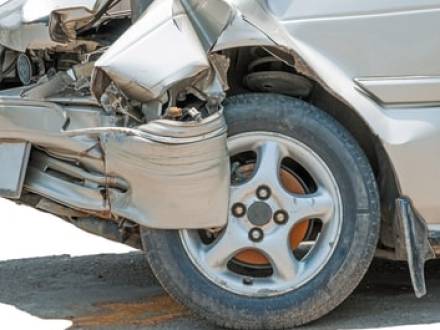 Anyone who is involved in a car accident is required to stop and give their information or help if someone is injured under Texas law Section 550.023. It does not matter how minor the accident appears to be. You cannot keep driving, even if you feel certain that no one is injured and there is little or no damage to the cars.
Every year, around 700,000 hit and run crashes happen in the U.S according to the AAA Foundation for Traffic Safety. Texas law takes these cases very seriously. If you are caught after leaving the scene of an accident without stopping to give your information or render aid, you can be criminally charged. Depending on the severity of the accident, you might also be charged with the lesser crime of failure to stop and give information. You may even face the more serious offense of failure to stop and render aid.
No matter what hit-and-run charge you face in 2026, you need a highly experienced Houston, TX traffic crimes attorney to represent you in court. Hit-and-run charges can change your life if you are convicted.
What is a Criminal Charge for "Failure to Stop and Give Information"?
If the accident you were involved in was fairly minor and no one was injured, you can be charged with "failure to stop and give information" if you drive away. In many cases, a driver who flees the scene after a minor accident would not have faced criminal charges beyond a traffic citation if he had remained at the scene.
However, many drivers who leave after a minor collision do so because they are trying to avoid charges for:
-
Driving while intoxicated
-
Driving without a license
-
Driving without insurance
-
Having drugs in the car
-
Other criminal offenses
If there were no injuries, you will usually be charged with a misdemeanor for leaving the scene of the accident. The problem is that there is no way to know whether anyone was injured unless you stop and talk to the other driver.
What is a Criminal Charge for "Failure to Stop and Render Aid"?
If you fled the scene after an accident where someone was injured, you can be charged with the more serious offense of "failure to stop and render aid." You can be charged with this offense even if the accident was not your fault.
If you are involved in an accident where someone is injured or has been killed, you are required to stop and attempt to provide aid. Normally, calling 911 for the injured party is enough to satisfy the requirement to render aid.
Failure to stop and render aid is a much more serious charge than failure to stop and give information. You could be charged with a felony and sent to prison, especially in cases where someone could have been treated more successfully if aid had come promptly.
What Are the Penalties for Hit and Run Charges in Texas?
The penalties you face after a hit and run accident depend on whether anyone was injured and how seriously.
Penalties for Failure to Stop and Give Information
If you leave the scene of an accident that only caused property damage, you can be charged with failure to stop and give information. The penalties depend on whether there is property damage or injuries.
If the damage is less than $200, the offense is a Class C misdemeanor. This carries a fine of up to $500 with no jail time. If the damage is $200 or more, the offense becomes a Class B misdemeanor. You could face up to 180 days in jail and a fine of up to $2,000.
Penalties for Failure to Stop and Render Aid
The consequences become much more serious when someone is injured. If you leave the scene of an accident where a person was hurt, you face failure to stop and render aid charges. The severity of the charge depends on how badly the person was injured.
If the accident caused a serious injury, you can be charged with a third-degree felony. This carries two to 10 years in prison and fines up to $10,000. If someone died in the accident, you face a second-degree felony, with two to 20 years in prison.
Driver’s License, Insurance Rates, Job Loss
Beyond fines and jail time, a hit and run conviction can affect your life in other ways. Your driver's license can be suspended. Your car insurance rates will likely increase significantly. A felony conviction can make it harder to find employment, rent an apartment, or get a professional license. These consequences make fighting hit and run charges worth the effort.
Can Hit and Run Charges Be Reduced or Dismissed?
In many cases, an excellent attorney can work to get hit and run charges reduced or even dismissed. The outcome depends on the specific facts of your case and the evidence against you.
Negotiating for Reduced Charges
Prosecutors sometimes agree to reduce charges when the evidence is not strong or when there are mitigating circumstances. For example, a felony charge might be reduced to a misdemeanor if the injuries were less serious than initially believed. A failure to stop and render aid charge might be reduced to failure to stop and give information if you can show you did not know anyone was hurt.
Pretrial Diversion Programs
Some counties in Texas offer pretrial diversion programs for certain crimes. These programs may allow you to complete requirements like community service, restitution, or traffic safety courses in exchange for having the charges dismissed. First-time offenders with no criminal history are most likely to qualify for these programs. An attorney can help you argue that you are a good candidate for pretrial diversion.
Contact a Houston, TX Hit and Run Attorney
Murphy & McKinney Law Firm, P.C. is highly experienced in defending people who have been accused of failure to stop and give information or failure to stop and render aid. Highly-qualified Houston, TX traffic crimes lawyer Doug Murphy will strive to present the best defense possible. Contact us at 713-229-8333 for an initial consultation.


 Office Location
Murphy & McKinney Law Firm, P.C.
902 Heights Blvd., Houston, TX 77008
P 713-229-8333
F 713-583-0205
Our firm is located in Houston, and we provide representation for people in the surrounding cities and counties, including Cypress, Katy, Spring, Pasadena, La Porte, Deer Park, Friendswood, Baytown, Harris County, Bastrop County, Brazoria County, Fort Bend County, Galveston County, Guadalupe County, Liberty County, Montgomery County, Walker County, Waller County, and Wharton County. We also serve clients throughout the state of Texas.
Results listed are not a guarantee or indication of future case results.