
713-229-8333

-

- Home
- Our Firm
- DWI
- First DWI
- Second DWI
- Third DWI
- Fourth DWI or More
- Felony DWI
- Commercial Vehicle DWI
- Motorcycle DWI
- Controlled Substance or Drug DWI
- Out of State Resident DWI
- College Student DWI
- Underage DUI
- DWI Defense for Licensed Professionals
- CPA Licenses
- Dental Licenses
- EMT Licenses
- Law Licenses
- Medical Licenses
- Mental Health Counselor Licenses
- Small Business
- Nursing Licenses
- Pharmacist Licenses
- Pilot Licenses
- Podiatrist Licenses
- Psychologist Licenses
- Real Estate Licenses
- SEC Securities Licenses
- Security Clearances
- Teaching Licenses
- Veterinarian Licenses
- Optometrist Licenses
- Collateral Consequences of DWI
- DWI Criminal Procedure
- ALR Hearing
- Open Container
- DWI Tests
- Boating While Intoxicated
- Criminal Defense
- Drug Crimes
- Drug Possession
- Drug Distribution
- Drug Conspiracy
- Drug Diversion
- Juvenile Drug Crimes
- Internet Drug Crimes
- Drug Crime Enhancements
- Drug Penalty Groups
- Drug Information
- Drug Crimes FAQ
- What Is Considered a Dangerous Drug in Texas?
- What Evidence Is Needed to Convict a Person of a Drug Crime in Texas?
- Is Possession of Marijuana a Crime in Texas?
- What Are the Consequences for Repeat Drug Offenders in Houston?
- Should I Plead Guilty to a Drug Crime Charge in Texas?
- What Is the Difference Between Federal and State Drug Crime Charges?
- Opioid Crimes FAQ
- Traffic Violations
- Assault Crimes
- Homicide Crimes
- Prostitution and Solicitation
- White Collar Crimes
- Theft
- Federal Crimes
- Federal Drug Charges
- Federal White Collar Crimes
- Immigration Crimes
- Federal Weapons Charges
- Obstruction of Justice
- Federal Crimes FAQ
- How Can an Attorney Help When Im Under Federal Investigation?
- What Happens if I Plead the Fifth in a Federal Crimes Case?
- Why Have I Been Accused of Obstruction of Justice?
- What Happens to Property That Has Been Forfeited and Seized by the Federal Government?
- What Should I Know About Federal Courts and the Federal Prison System in Texas?
- What Is a Currency Transaction Report?
- What Are Pre-Arrest and Arrest Warrants in Federal Crimes Cases?
- Other Crimes
- 3G Offenses
- Probation Violations
- Deferred Adjudication
- Expunctions
- Nondisclosures
- Defense Strategies
- Criminal Defense FAQ
- Drug Crimes
- Areas Served
- Houston Courts for DWI
- Harris County
- Baytown
- Bellaire
- Braeswood Place
- Cypress
- Deer Park
- East Downtown
- Friendswood
- Galleria
- Houston Heights
- Humble
- Jersey Village
- Katy
- Kingwood
- La Porte
- Memorial Villages
- Midtown
- Missouri City
- Montrose
- Pasadena
- Precinct 1
- Precinct 4
- Precinct 5
- Rice Military
- River Oaks
- Southside Place
- Spring
- Spring Valley
- Tanglewood
- Timbergrove/Lazybrook
- Tomball
- West University Place
- Westchase
- Austin County
- Bastrop County
- Brazoria County
- Colorado County
- Fayette County
- Fort Bend County
- Galveston County
- Grimes County
- Guadalupe County
- Lavaca County
- Leon County
- Liberty County
- Madison County
- Matagorda County
- Montgomery County
- Walker County
- Waller County
- Washington County
- Wharton County
- Media
- Blog
- Contact
“Excellent job. My case was dismissed, due to very professional services of Doug Murphy Law Firm.”-A.B.
How Do I Fight a False Allegation of Family Violence in Texas?
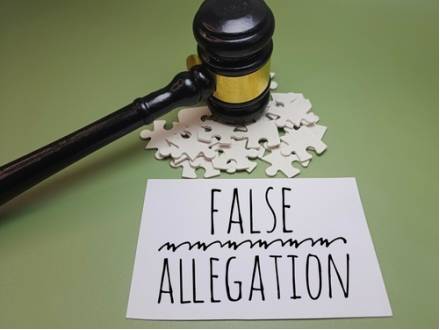 Fighting a false allegation of family violence in Texas starts with getting a defense attorney involved as fast as possible. False allegations are relatively common, especially during divorces, custody disputes, and breakups. Being accused does not automatically render you guilty in the eyes of the law, and there are real ways to fight back. If you are facing a false family violence allegation in 2026, the Houston family violence defense lawyers at Murphy & McKinney Law Firm, P.C. can offer experience and aggressive representation.
What Is Family Violence Under Texas Law?
Under Texas Family Code § 71.004, family violence is an act by one family or household member against another that is meant to cause physical harm, bodily injury, or assault. It also includes threats that make someone reasonably fear they are about to be hurt.
Family members include spouses, former spouses, parents who share a child, people related by blood or marriage, and people who live together or once lived together. Dating partners are also covered. The definition is broad, so accusations can come from many different types of relationships.
Why Do False Family Violence Allegations Happen in Texas?
False allegations often come up in emotionally volatile situations when the stakes are high. Divorce and child custody cases are the most common examples. One parent may accuse the other to gain an advantage in a custody fight or to have them removed from the home.
Breakups can lead to false reports, too. A person who is angry or hurt may call the police and make accusations that are exaggerated or completely made up. In some cases, the person who made the report later regrets it but feels like they cannot take it back once the process has started.
What Happens Right After a Family Violence Report Is Made in Texas?
Once a report is made, things move fast. An officer may arrest you on the spot based largely on the accuser's word. Texas law allows police to make an arrest in family violence cases based on probable cause. In many cases, that simply means believing one person over another.
After an arrest, a judge will likely put conditions on your release. This often includes a no-contact order that keeps you away from your own home, the person who accused you, and possibly your children. Violating that order can lead to new charges, even if the original accusation was false.
The accuser may also use the allegation in family court to get an emergency protective order. That can affect your access to your home, your children, and your money, all before you have had a chance to tell your side of the story.
What Evidence Can Help Prove a Family Violence Allegation Is False?
Building a strong defense means finding evidence that tells the true story. Several types of evidence can help:
- Text messages, emails, or social media posts that show the nature of the relationship, including any messages where the accuser threatened to lie or admitted the accusation was not true
- Surveillance footage from your home, a neighbor's camera, a nearby business, or a traffic camera
- Witness statements from anyone who was there or who knows about the relationship between you and the accuser
- Medical records or the absence of any, since physical assaults often leave injuries, and the lack of any medical evidence can support your defense
- Records showing a motive for the false accusation, such as a divorce filing, a custody dispute, or a financial conflict
Your attorney will look at all of this, find the strongest evidence, and build a strategy around it.
How Does Proving a Motive Help Your Defense in a Family Violence Case?
One of the most effective things you can do in a family violence case based on false allegations is to show why the accuser had a reason to lie. Courts and juries understand that people sometimes make false reports to gain an advantage. If the accuser filed for divorce the same week as the allegation, if there is a custody battle going on, or if the accuser benefits from having you removed from the home, those facts matter.
Your attorney will look at the timeline and find connections between the accusation and any conflict that gives the accuser a reason to make a false report. This raises real questions about whether the accusation can be trusted.
Can the Alleged Victim Drop the Charges in a Texas Family Violence Case?
This is one of the most common misunderstandings in these cases. In Texas, the alleged victim cannot drop the charges. Once a report is made and charges are filed, the case belongs to the State of Texas. Only the prosecutor can decide whether to move forward or dismiss the case.
Even if the accuser tells police or prosecutors that the allegation was false or that they do not want to go forward, the prosecutor may still push ahead. Some prosecutors are trained to build a case without relying on the accuser at all. This is why a strong defense attorney who can challenge the evidence directly is so important.
Contact Our Houston Family Violence Defense Attorneys Today
Attorney Doug Murphy serves as President of the Harris County Criminal Lawyers Association, a distinction that reflects his deep experience and standing within the Houston legal community. He knows how these cases are built and what it takes to expose a false accusation for what it is.
Call Murphy & McKinney Law Firm, P.C. at 713-229-8333 today to speak with a Houston family violence defense lawyer and start building the defense you need.


 Office Location
Murphy & McKinney Law Firm, P.C.
902 Heights Blvd., Houston, TX 77008
P 713-229-8333
F 713-583-0205
Our firm is located in Houston, and we provide representation for people in the surrounding cities and counties, including Cypress, Katy, Spring, Pasadena, La Porte, Deer Park, Friendswood, Baytown, Harris County, Bastrop County, Brazoria County, Fort Bend County, Galveston County, Guadalupe County, Liberty County, Montgomery County, Walker County, Waller County, and Wharton County. We also serve clients throughout the state of Texas.
Results listed are not a guarantee or indication of future case results.