
713-229-8333

-

- Home
- Our Firm
- DWI
- First DWI
- Second DWI
- Third DWI
- Fourth DWI or More
- Felony DWI
- Commercial Vehicle DWI
- Motorcycle DWI
- Controlled Substance or Drug DWI
- Out of State Resident DWI
- College Student DWI
- Underage DUI
- DWI Defense for Licensed Professionals
- CPA Licenses
- Dental Licenses
- EMT Licenses
- Law Licenses
- Medical Licenses
- Mental Health Counselor Licenses
- Small Business
- Nursing Licenses
- Pharmacist Licenses
- Pilot Licenses
- Podiatrist Licenses
- Psychologist Licenses
- Real Estate Licenses
- SEC Securities Licenses
- Security Clearances
- Teaching Licenses
- Veterinarian Licenses
- Optometrist Licenses
- Collateral Consequences of DWI
- DWI Criminal Procedure
- ALR Hearing
- Open Container
- DWI Tests
- Boating While Intoxicated
- Criminal Defense
- Drug Crimes
- Drug Possession
- Drug Distribution
- Drug Conspiracy
- Drug Diversion
- Juvenile Drug Crimes
- Internet Drug Crimes
- Drug Crime Enhancements
- Drug Penalty Groups
- Drug Information
- Drug Crimes FAQ
- What Is Considered a Dangerous Drug in Texas?
- What Evidence Is Needed to Convict a Person of a Drug Crime in Texas?
- Is Possession of Marijuana a Crime in Texas?
- What Are the Consequences for Repeat Drug Offenders in Houston?
- Should I Plead Guilty to a Drug Crime Charge in Texas?
- What Is the Difference Between Federal and State Drug Crime Charges?
- Opioid Crimes FAQ
- Traffic Violations
- Assault Crimes
- Homicide Crimes
- Prostitution and Solicitation
- White Collar Crimes
- Theft
- Federal Crimes
- Federal Drug Charges
- Federal White Collar Crimes
- Immigration Crimes
- Federal Weapons Charges
- Obstruction of Justice
- Federal Crimes FAQ
- How Can an Attorney Help When Im Under Federal Investigation?
- What Happens if I Plead the Fifth in a Federal Crimes Case?
- Why Have I Been Accused of Obstruction of Justice?
- What Happens to Property That Has Been Forfeited and Seized by the Federal Government?
- What Should I Know About Federal Courts and the Federal Prison System in Texas?
- What Is a Currency Transaction Report?
- What Are Pre-Arrest and Arrest Warrants in Federal Crimes Cases?
- Other Crimes
- 3G Offenses
- Probation Violations
- Deferred Adjudication
- Expunctions
- Nondisclosures
- Defense Strategies
- Criminal Defense FAQ
- Drug Crimes
- Areas Served
- Houston Courts for DWI
- Harris County
- Baytown
- Bellaire
- Braeswood Place
- Cypress
- Deer Park
- East Downtown
- Friendswood
- Galleria
- Houston Heights
- Humble
- Jersey Village
- Katy
- Kingwood
- La Porte
- Memorial Villages
- Midtown
- Missouri City
- Montrose
- Pasadena
- Precinct 1
- Precinct 4
- Precinct 5
- Rice Military
- River Oaks
- Southside Place
- Spring
- Spring Valley
- Tanglewood
- Timbergrove/Lazybrook
- Tomball
- West University Place
- Westchase
- Austin County
- Bastrop County
- Brazoria County
- Colorado County
- Fayette County
- Fort Bend County
- Galveston County
- Grimes County
- Guadalupe County
- Lavaca County
- Leon County
- Liberty County
- Madison County
- Matagorda County
- Montgomery County
- Walker County
- Waller County
- Washington County
- Wharton County
- Media
- Blog
- Contact
“I couldn't ask for a better attorney, and office to work with.”-Satisfied Client
Recent Blog Posts
Understanding DWIs Involving Passengers in Texas
 If you have been arrested for "driving while intoxicated" (DWI), you may feel alone as you wonder what will happen over the course of the legal proceedings. However, just because you feel lonely doesn’t mean you were actually alone at the time of your DWI arrest. And the repercussions of having passengers in your vehicle may affect both the charges you face and your defense strategy.
While it's important to understand the passenger's impact on your case, let's correct the record about one thing before we do. You don't have to be alone in this. You shouldn't be.
Instead, you can hire a Houston DWI defense lawyer. With a DWI Specialist, you have someone with you who is not only an expert in the law but also understands your concerns. Someone who can be there, to listen to you, to guide you, every step of the way.
When Can You Use Deadly Force in Texas? | TX Defense Lawyer
 In Texas, you can use deadly force when you reasonably believe it is immediately necessary to protect yourself or someone else from being killed, seriously injured, or the victim of certain violent crimes. Texas has some of the broadest self-defense laws in the country, and the state does not require you to retreat before defending yourself in most situations. But the right to use deadly force has clear limits, and understanding those limits matters enormously if you ever find yourself facing criminal charges in 2026. Our Houston criminal defense lawyers can help you understand how Texas law applies to your specific situation.
What Does Texas Law Say About Deadly Force?
Texas Penal Code § 9.32 is the main statute that covers the use of deadly force in self-defense. It says that you can use deadly force against another when it would be legal for you to use regular force under Texas Penal Code § 9.31. This includes when you reasonably believe that deadly force is necessary to protect yourself against the other person's use or attempt to use deadly force. Deadly force is also justified to prevent certain serious crimes like robbery, murder, sexual assault, or kidnapping.
What if Your Child Is Arrested for DWI in Houston?
 Like most parents, you always want what is best for your children. You dedicate your life to teaching them right from wrong and that mistakes have consequences. Unfortunately, young people sometimes make mistakes or get caught being in the wrong place at the wrong time. Sometimes bad things happen to good people. When your child gets tangled up in legal situations like Driving While Intoxicated (DWI), it is important to be prepared and take the best steps to protect them and their future. In some cases, your child could make the situation worse after the arrest. With your help, you might be able to limit the damage before any damage occurs.
Even though you might be sympathetic to the position your child is in, the courts are unlikely to show them special treatment. In fact, an adult under the age of 21 could face additional charges compared to someone over the legal drinking age. If your child has been arrested for DWI in 2026, our Houston DWI defense lawyer can help protect them.
When Does a Fatal Car Accident Lead to Criminal Charges in Texas?
 A fatal car accident leads to criminal charges in Texas when there is evidence that the driver did something more than make an honest mistake. Not every crash that results in a death will lead to a criminal case. The difference between a tragic accident and a crime comes down to what the driver was doing and how they were acting at the time of the crash. If you’ve been charged with manslaughter or a related charge, a Houston criminal defense lawyer can help you understand what you are up against and what your options are.
What Charges Can Follow a Fatal Car Accident in Texas?
Texas law gives prosecutors several options when someone dies in a car accident. The charge they pursue depends on what the evidence shows about how and why the crash happened. The most common charges include:
What Is the Difference Between a DUI and DWI in Texas?
 Each state has its own acronyms it uses for drinking while intoxicated or under the influence of alcohol or drugs. These acronyms include DUIL (driving under the influence of liquor), DWI (driving while intoxicated), OMVI (operating a motor vehicle while intoxicated), DUI (driving under the influence), OWI (operating while intoxicated), and OUI (operating under the influence). Each state may use one or more of these acronyms.
In Texas, DWI and DUI are used. So, you may ask, what is the difference between a DWI and DUI in Texas? The answer refers to the operator of the motor vehicle's age. In Texas, DUI generally applies to drivers under 21 under a zero-tolerance standard, while DWI applies to drivers of any age who are intoxicated. If you are facing either charge, a Houston DUI/DWI defense lawyer can help you understand what you are up against.
What Is the Difference Between a DWI and DUI in Texas?
Regardless of your age in Texas, it is illegal to drive with a blood alcohol content (BAC) at or above 0.08 percent or to exhibit a lack of control over your mental and physical faculties, meaning, for example, slurring your words or struggling to walk straight. For some persons, however, the legal limit is less than 0.08 percent: (1) persons operating a commercial vehicle and who have a commercial driver's license are not permitted to drive if their BAC level is at or above 0.04 percent, and persons under the age of 21 are not permitted to drive at all with any trace of alcohol in the system.
How Do I Fight a False Allegation of Family Violence in Texas?
 Fighting a false allegation of family violence in Texas starts with getting a defense attorney involved as fast as possible. False allegations are relatively common, especially during divorces, custody disputes, and breakups. Being accused does not automatically render you guilty in the eyes of the law, and there are real ways to fight back. If you are facing a false family violence allegation in 2026, the Houston family violence defense lawyers at Murphy & McKinney Law Firm, P.C. can offer experience and aggressive representation.
What Is Family Violence Under Texas Law?
Under Texas Family Code § 71.004, family violence is an act by one family or household member against another that is meant to cause physical harm, bodily injury, or assault. It also includes threats that make someone reasonably fear they are about to be hurt.
What Happens After an Arrest for Solicitation of Prostitution in Houston?
 An arrest for solicitation of prostitution sets off a legal process that moves quickly and can have serious consequences for your life, your reputation, and your future. However, you have rights, and there are real defenses available depending on the facts of your case. If you are facing charges related to the solicitation of prostitution in 2026, Murphy & McKinney Law Firm, P.C. can help. Our Houston sex crimes defense attorney has the experience and reputation you need to help you build a strong defense.
What Is Solicitation of Prostitution According to Texas Law?
Under Texas Penal Code § 43.021, a person commits an offense if they offer or agree to pay another person for sexual conduct knowingly. It does not matter whether the sexual act actually took place. Simply offering or agreeing to pay is enough for a charge to be filed.
What Are the Pros and Cons of Fighting Your DWI in Harris County?
 The problem with DWIs is that they happen to good, hard-working Americans. They happen to you, your neighbor, and even law enforcement agents. They happen to any of us who drink alcohol and then drive. They happen because we think we are sober enough to drive. Sometimes we may be, sometimes we may not be. In either circumstance, you could potentially find yourself arrested and charged. It's usually a poorly maintained portable breathalyzer or an unscientific field sobriety test that becomes the deciding factor that gets you arrested. And it's because of these things, alongside a breath or blood test taken at the station, you think the verdict is already in, so why fight it? If you are facing DWI charges in Harris County, our Houston DUI defense lawyer can help you understand your options.
Fighting a DWI has its pros and cons, and experienced, Board Certified DWI and criminal defense lawyer Doug Murphy shares some of these pros and cons with you. Full disclosure, though: Doug Murphy is the kind of attorney who routinely fights DWI cases and does not give up or settle. That means he isn't interested in plea deals if they are not in your best interest. That means he goes all the way to trial – in fact, preparing for trial from day one – because it is in your best interests almost always to do so unless he gets the case dismissed before trial. But those kinds of dismissals usually materialize because you are preparing and negotiating with a trial in mind. With that said, here are some of the most common pros and cons of fighting your DWI in Harris County.
Refusal To Take a Breath Test During a DWI Stop in Texas
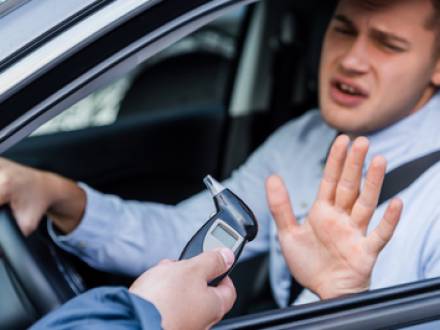 Breath tests are administered when a police officer suspects you are operating a vehicle, including a watercraft, under the influence of alcohol. Generally, these tests are given after a failed sobriety test or after the officer finds probable cause to believe that you are under the influence of alcohol illegally.
Sometimes, people in this situation refuse to take a breath test, and this is your right. However, it can carry certain consequences. If you have been charged with a DWI or related offense, seek legal assistance right away. The Houston DWI defense attorneys at Murphy & McKinney Law Firm, P.C. can help you understand your rights and build a strong defense.
What Are Texas Implied Consent Laws?
When you obtain a license in Texas, you commit to obey the rules of the road. Part of this responsibility is your implied consent (Texas Transportation Code § 724.011) to submit to a breath test if a law enforcement agent believes there is probable cause to detain you for driving while intoxicated. You are not required to provide information or evidence that can be used against you later in court. Thus, you have every right to refuse to take a breath test.
What Happens if a Minor Is Arrested for Drug Possession in Texas?
 A drug possession arrest doesn't have the same outcome for every minor in Texas. How the case is handled depends on the drug involved, the amount, the child's history, and how quickly a family acts to get legal help. Understanding the process is the first step toward protecting your child's future. A Houston drug possession defense lawyer can help you understand what your child is facing and work to protect their future.
How Does the Texas Juvenile Court System Handle Drug Possession?
In Texas, most minors arrested for drug possession go through the juvenile justice system, not adult criminal court. Under Texas Family Code § 51.03(a), a minor can be treated as a juvenile delinquent if they do something that would be a crime if an adult did it. Drug possession falls into that category.


 Office Location
Murphy & McKinney Law Firm, P.C.
902 Heights Blvd., Houston, TX 77008
P 713-229-8333
F 713-583-0205
Our firm is located in Houston, and we provide representation for people in the surrounding cities and counties, including Cypress, Katy, Spring, Pasadena, La Porte, Deer Park, Friendswood, Baytown, Harris County, Bastrop County, Brazoria County, Fort Bend County, Galveston County, Guadalupe County, Liberty County, Montgomery County, Walker County, Waller County, and Wharton County. We also serve clients throughout the state of Texas.
Results listed are not a guarantee or indication of future case results.